The submarine Gato class
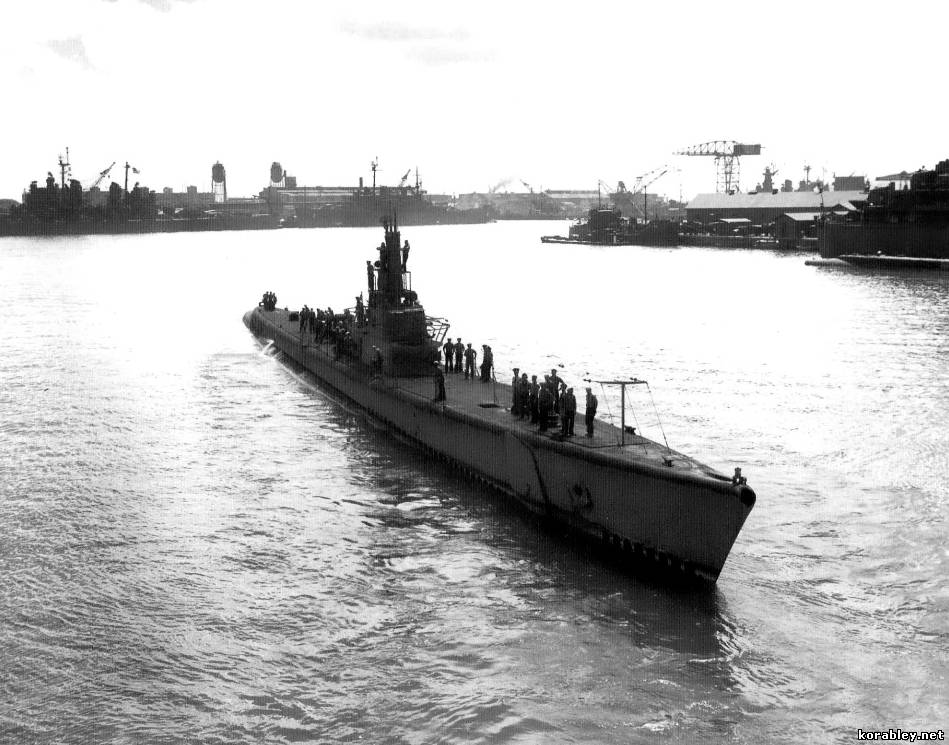
the submarine Gato class photo
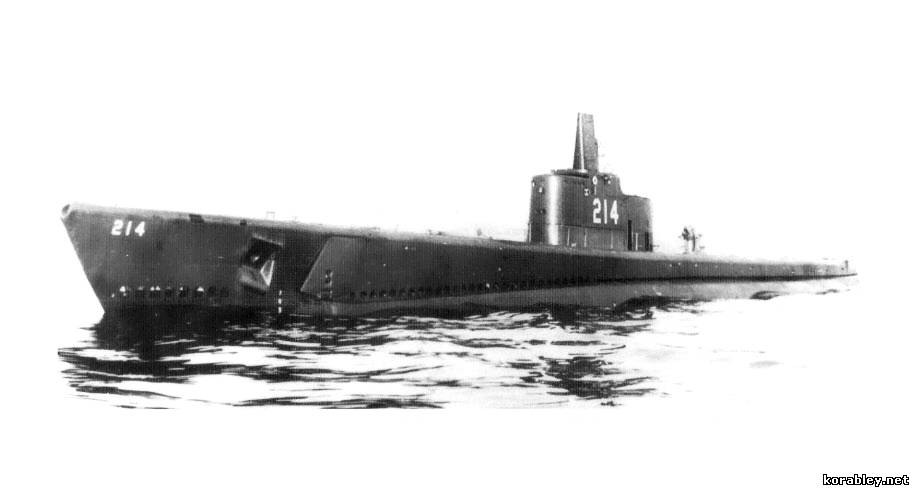
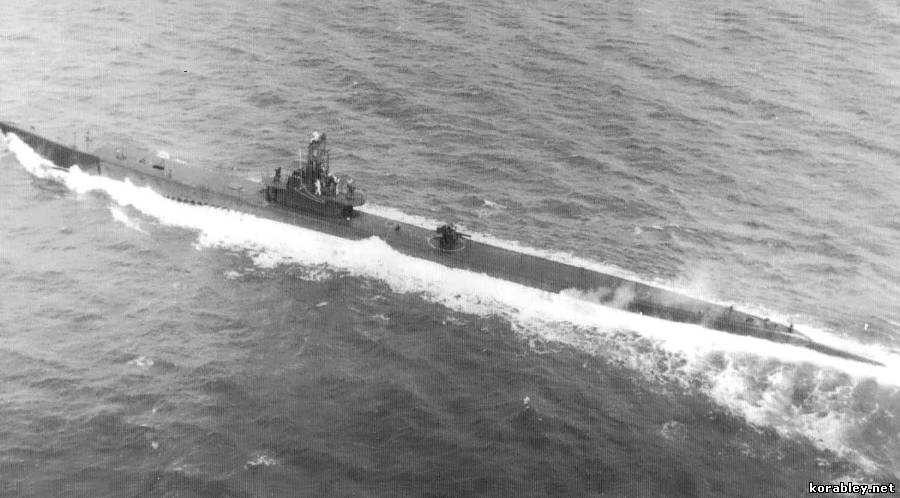
The interior of a Gato-class submarine was divided into nine watertight compartments:
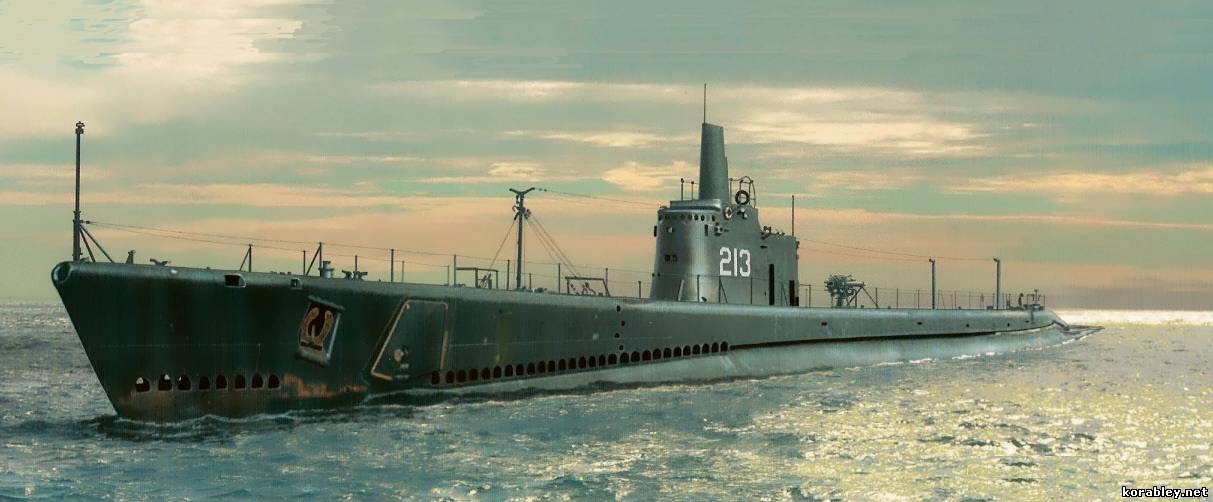
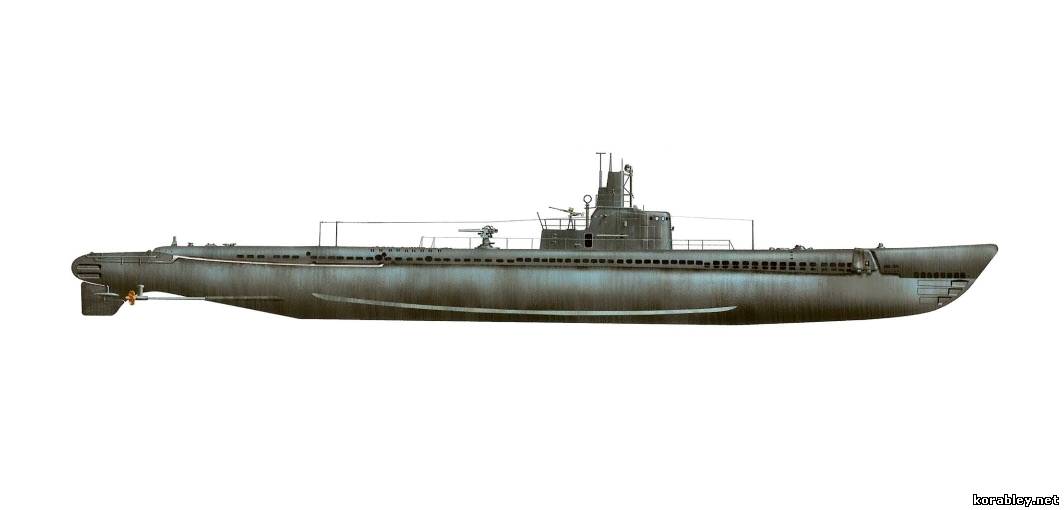
Forward Torpedo Room
This was the site of the six forward torpedo tubes, four of which were visible above the deck plates. The other two could only be reached by removing the deck plates. At the start of a patrol, there would be one torpedo in each tube, one reload each for the two lower tubes stored below the deck plates, and two reloads for each of the four upper tubes — a total of sixteen torpedoes. The sonar gear was raised and lowered and or rotated from this compartment, as was the pitometer log. Fourteen bunks for crewmen were also found in this compartment.
Forward Battery Compartment
Half of the boat′s 252 battery cells were located below the deck plating of this compartment. Above this deck was the site of the wardroom where the officers ate, the pantry where their food was plated, and the three compartments where the officers berthed. One compartment was for three junior officers. The executive officer and first lieutenant shared another compartment. The captain had his own compartment, the only private space on the boat. The five mast senior chief petty officers shared a fourth compartment. If, as was often the case, there were more than the nominal complement of six officers — some boats went on patrol with as many as ten officers-this space got rather crowded. This compartment also contained the yeoman′s office, where reports were prepared and the log maintained, and the officers′ shower and head.
Control Room
This was the center of the boat, from which she was steered and her depth was controlled. The Hull Opening Indicator Panel, known as the ′Christmas Tree′. It got that name because there was a red and green light for every opening in the pressure hull, green indicating the opening was closed. Flooding or blowing of all tanks was controlled from this compartment. Below this room was the pump room, where most of the boat′s pumps and compressors were located. The radio shack was at the aft end of this compartment.
Conning Tower
This was a separate, relatively tiny cylindrical compartment located above the control room and housed within the boat′s external tower structure. Both of the boat′s periscopes were operated from the conning tower. The first submarine Gato had a Type 2 attack or ′needle′ periscope and a Type 3 search periscope with a broader angle of view. Starting in 1944, a Type 4 ′night′ periscope replaced the Type 3. The Type 4 had a larger head to admit more light, a shorter tube so that less light was dispersed, and incorporated the ST range-only radar to aid in making submerged night attacks. The Torpedo Data Computer was on the port bulkhead aft. The displays for the surface search radars and active sonar were located here, as was a secondary steering position. Repeaters for most of the primary gauges found in the control room were located here as well. When a submerged attack was being made, this was a very crowded space, as the captain, executive officer; one or two operators, one or two radar/sonar operators, and a talker were all stationed here.
After Battery Compartment
The remaining 126 battery cells and the magazine were located here beneath the deck plating, as was the main pantry, freezer, and refrigerated food storage. Above this deck was located the medical locker, the crew′s mess, the galley where all food for officers and men was prepared, and thirty-six bunks. The crew′s showers and head were at the aft end of this compartment, as was the boat′s washing machine and the tiny storage lockers where the crew could store valuables. This is the largest of the boat′s compartments.
Forward and After Engine Rooms
These two compartments were basically identical. Each contained two of the four main diesel engines. Each diesel was connected to a 1,100 kilowatt electrical generator used to charge batteries and/or drive the electric motors as needed. The diesel engines found in Gato-class boats were 1,600 bhp two-cycle units made by General Motors or Fairbanks-Morse. The latter were license-built Junkers Jumo engines. The GM engine was a V-16 Model 16-278 or 16-278A, each with two banks of eight cylinders, which ran at 750 rpm. The F-M engine was a Model 38D, available in nine-and ten-cylinder versions, both opposed-piston designs running at 720 rpm.
Maneuvering/Motor Room
The four electric motors of 1,350 hp each and the two sets of reduction gears that connected them to the propeller shafts were located below the decking. The switch panels that controlled the motors and gearboxes were located above the deck in the maneuvering room. The electric motors ran most efficiently at a constant, high speed. The speed of the boat was controlled by changing the gearing in the Westinghouse gearboxes, in much the same way that an automotive transmission functions.
After Torpedo Room
This compartment housed the remaining four torpedo tubes and eight torpedoes, four in the tubes and four reloads on skids, one for each tube. It also contained fifteen more bunks for crew berths and the bosun′s tool locker. That totaled seventy bunks, not counting officers′ berths, or one bunk for each of the nominal wartime enlisted crew, but several factors contributed to cause hot ′bunking,′ in which three men shared two bunks. One factor was that the crew was often larger than expected. By war′s end, the enlisted complement often exceeded eighty men. Also, some bunks in the torpedo rooms couldn′t be lowered until some of the reloads had been moved into the tubes and. as the war progressed and targets became fewer, some boats went an entire patrol without firing off a lull load of torpedoes.The Gatos were double-hulled boats, meaning that die pressure hull was surrounded by a second non-watertight hull containing the boat′s various ballast, trim, and fuel tanks. The central section of the pressure hull was an externally-framed cylindrical structure constructed of 14.3 mm, 12.5 kg untreated steel. The two end compartments were truncated conical sections, and the conning tower was a smaller cylinder fitted on top of the main pressure hull above the control room. The maximum diameter of the pressure hull was 16 feet (4.9 m).On top of the outer hull was an external superstructure. This included the deck casing that gave the boat a shape that allowed high surface speed. Forward, the deck casing housed the boat′s anchor and capstan, the forward dive planes, and a buoyancy tank. The deck was strengthened forward and aft of the bridge to allow the installation of two 3-inch, 76.2 mm deck guns, though in practice only one was ever carried. This deck casing trapped air as the boat submerged and accounted in part for the relative slowness with which American submarines dived. This was counteracted in part by the addition of limber holes in the side of the superstructure. The conning tower was enclosed in an external tower or fairwater structure that included an enclosed bridge with a conning station. An open area aft, known to the crew as the ′cigarette deck′ for obvious reasons, had a pintle mount for a Browning. There were minor differences in appearance between the boats built by Electric Boat and those built at the government-run navy yards. The most obvious initial difference was in the pattern of limber holes, which were more numerous and extended further aft from the bow in government-built boats. As the war progressed, the tower structure of new and refitted boats was cut down and modified to carry more armament and antennae, and the number and pattern of limber holes in the superstructure varied greatly. It is safe to say that, while boats from the three sub-classes of Gatos were often indistinguishable, no two boats were absolutely identical in appearance.All seventy-three submarines Gato saw combat. Of the ten most successful American submarines in terms of tonnage sunk, eight were from this submarine class. Nineteen were lost during the war.